Mode Issue No. 06 July 28, 2026 6 min read

Notes on fashion

Clothing is the argument you make before you speak

Five notes on fit, fabric, color, and restraint — for anyone who thinks about what they wear, not just what's in season.

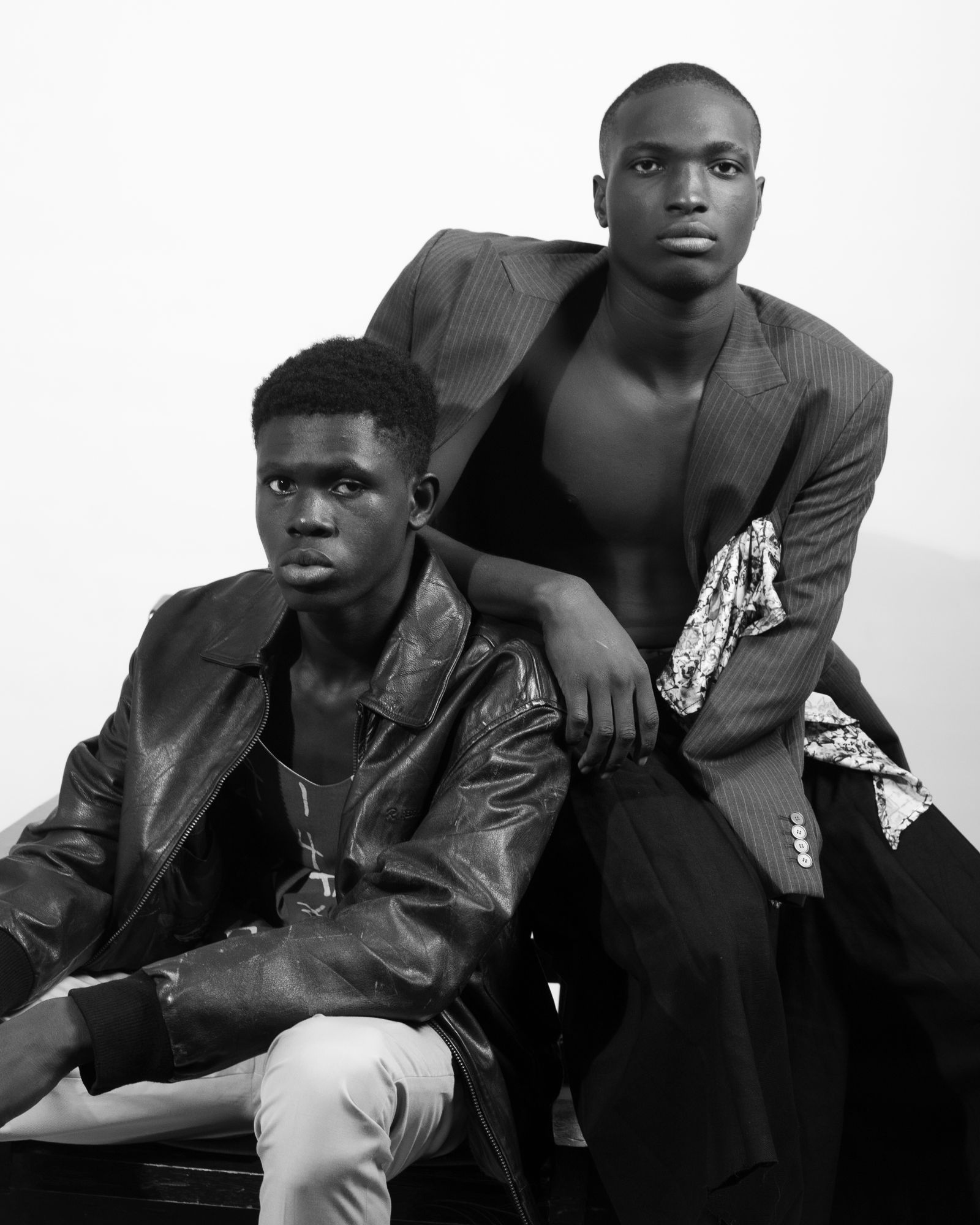
A high-contrast black and white fashion editorial portrait of a model in a fitted suit.

Fig. I — Fit reads before color does.

Fit before fashion

A black and white photo of a woman in a well-fitted suit jacket.

The same jacket, tailored, reads as a different garment.

Two identical garments in two different sizes are not the same piece of clothing, in any way that matters visually. Fit determines silhouette before color, pattern, or brand ever get noticed — it's the first thing the eye reads and the last thing most people think to adjust.

A modest garment that fits precisely will consistently outperform an expensive one that doesn't. Tailoring an existing piece is almost always a better investment than replacing it.

In practiceShoulders are the one seam that can't be altered — everything else can be taken in.
Fabric speaks before you do

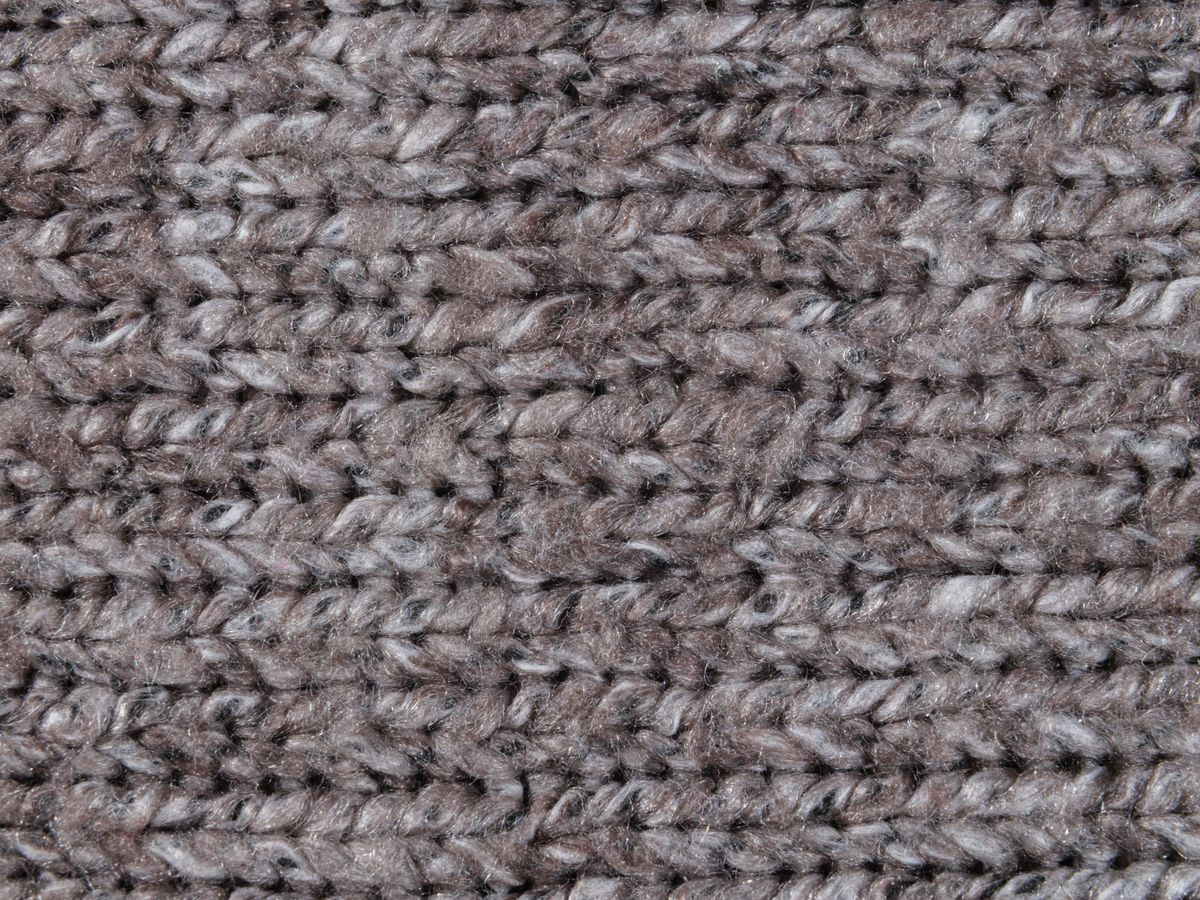
A close-up of a grey knitted wool textile showing its texture.

Texture is legible at a distance color can't manage.

From across a room, most people can't identify a color's exact shade, but they can register whether a fabric looks cheap or considered — a stiff sheen, a limp drape, a weave that pills after one wash. Fabric quality reads as a feeling before it's consciously noticed.

This is why two garments that look identical in a product photo can feel entirely different in person. The photo shows the cut; only the hand shows the cloth.

Color is a decision, not a mood

Buying whatever color feels appealing in the moment is how a closet ends up full of pieces that don't combine with anything else in it. A small, deliberate palette — even a boring one — means most things pair with most other things, which quietly removes a lot of daily friction.

This doesn't mean avoiding color. It means choosing it on purpose, as part of a system, rather than one appealing piece at a time.

Repetition builds a wardrobe, not novelty

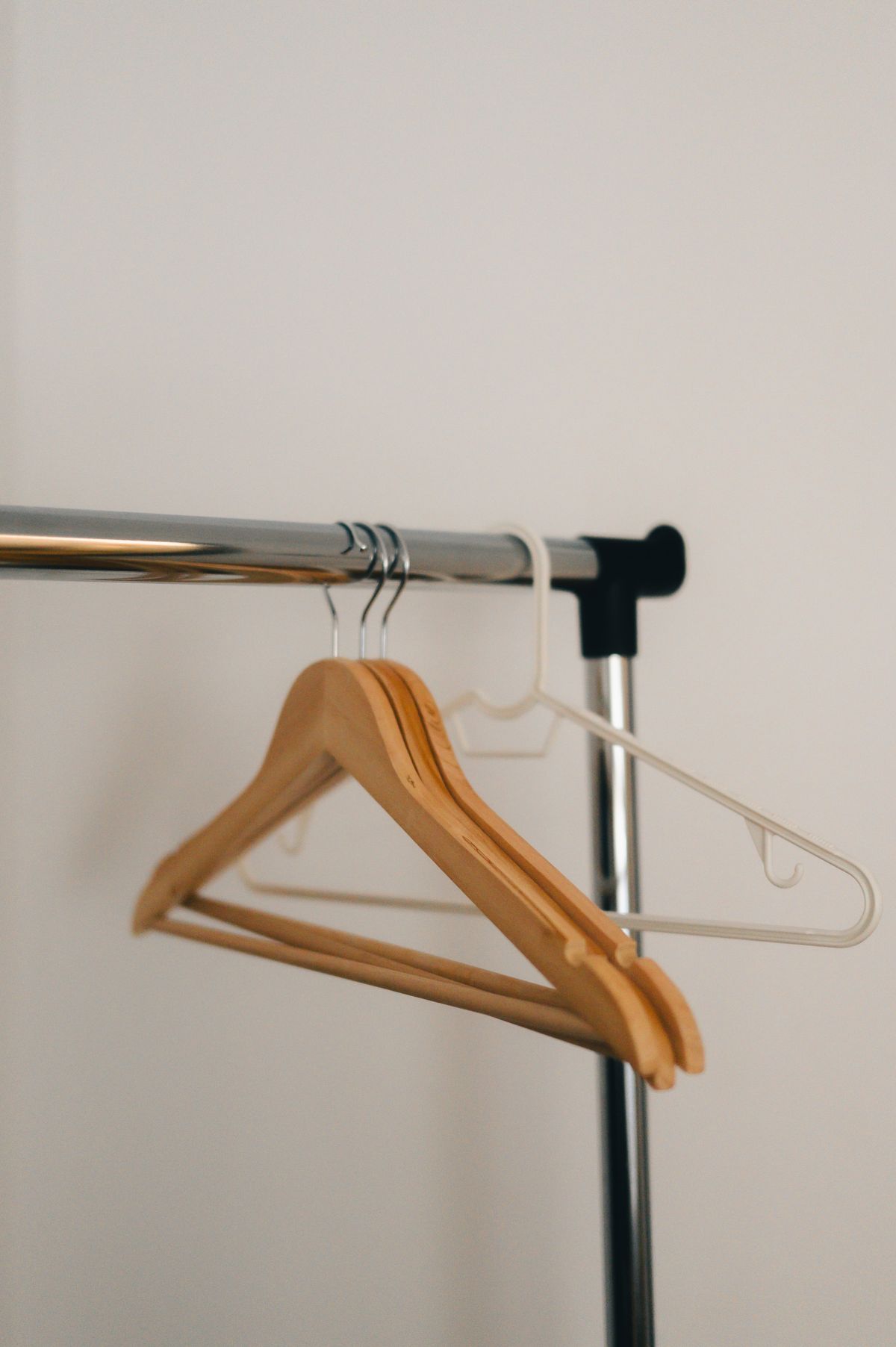
Minimalist clothing hangers arranged on a clothing rack.

A short, deliberate list of pieces, worn often.

A wardrobe built from constant novelty tends to feel, paradoxically, like it has nothing to wear — because nothing was chosen with the rest of the collection in mind. A wardrobe built from a small set of deliberately repeated pieces tends to feel larger than it is, because everything combines with everything else.

Owning fewer, better-considered pieces isn't a discipline exercise. It's usually just less effort, once the initial list is right.

Care extends everything

A well-made garment washed carelessly will fail faster than a modest one maintained properly. Most of what shortens a garment's life isn't the wearing — it's the washing, drying, and storing done without much thought.

Reading the care label once, at the start, tends to matter more over a garment's life than any single purchase decision made about it.

A fabric reference

Weight isn't a measure of quality on its own, but it's a useful starting point for guessing how a fabric will behave before it's ever worn.

Fabric Typical weight What it tells you
Chiffon, voile 30–70 gsm Sheer and fluid — drapes rather than holds a shape.
Poplin, shirting 100–150 gsm Crisp enough to hold a collar, light enough for daily wear.
Mid-weight denim 300–400 gsm Structured enough to hold its own shape as it ages.
Wool suiting 250–320 gsm Heavy enough to tailor cleanly, light enough not to look stiff.
Heavy wool coating 450–600 gsm Built for structure and warmth over drape.

A short glossary

Silhouette
The outline a garment creates on the body, independent of fabric, color, or detail.
Drape
How a fabric falls and moves under its own weight — soft and fluid, or structured and stiff.
Bias cut
Cutting fabric at a 45-degree angle to the weave, which lets it stretch and cling rather than hold rigid.
Capsule wardrobe
A small set of garments chosen to combine with one another in many ways, rather than each worn once.
Selvedge
The self-finished edge of a woven fabric that won't fray, often visible on raw denim as a mark of quality.
Mercerized
Cotton treated under tension to increase strength, luster, and dye uptake.